

Tumble Dryers Heat Pump
Tumble dryers equipped with heat pumps utilize a sophisticated technology that is energy efficient, gentle on fabric and cost-effective in the long haul. They don't require a vent like vented and condenser models, so they can be placed anywhere in your home.
Although they can take longer to dry clothes than other models, the advantages of tumble dryers that heat pump far outweigh any slight disadvantages.
Energy efficiency
Heat pump clothes dryers are the latest generation of dryers that operate by reusing energy instead of making it. The technology is the same, but the inside of the appliance is reversed. Instead of generating heat by using an element for heating, a refrigerator absorbs warmth from outside air and puts it into a drum filled with wet clothes. When the refrigerant has reached the temperature of a low point, it extracts the moisture from warm air and expels it into an empty storage tank or drain. It then expands the warm air and then carries the moisture back into the tumbling process which consumes less energy as it goes.
Heat pump dryers are gentler on clothes, to prevent excessive wear and shrinkage. They also use less energy, which can save families with high electric bills hundreds of dollars per year.
A family in the US is able to do 20 loads of laundry each week. The savings could be significant. A dryer that uses a heat source can cut the cost by as much as three-quarters, according to the Massachusetts Clean Energy Center, which is one of the top energy efficiency advocates.
You can also lower your energy costs by not overloading your tumble dryer. Your machine will perform better when you keep your laundry load small. It will also permit it to complete the cycle as quickly as possible without compromising on quality.
Tumble dryers that utilize a heat pump system use 3 times less energy compared to traditional air-ventilated dryers. They also comply with the new EU Ecodesign standards and energy labelling regulations, which will be in effect from July 2025. These requirements are designed to help European households save up to 15 TWh of energy in 2040.
The dryer should be set in a well insulated room. Be sure that the ventilation ducts are not blocked, and make sure that lint is regularly removed. heat pump dryers can cause your tumble dryer to use more energy and can pose health and safety risks. Manufacturers will have varying recommendations for how often you should clear the lint trap and fine mesh filter, but making sure you are keeping up with the maintenance is vital to maintain maximum efficiency.
Moisture extraction
These tumble dryers with heat pumps are very like traditional vented models, except that they don't need a vent for moisture extraction. Instead the hot air used to dry your clothes is reused in conjunction with the moisture that is collected in the water tank. This greatly reduces the energy use, and can save you a significant amount of money on your energy bills.
There are some things to remember when using heat pump tumble dryers. They take a bit longer to dry due to lower temperatures. They also require regular emptying of the water tank, and ideally after each load. You can either drain the water into a washbasin or a nearby sink, or manually empty it into a tank built in. The humidity of your home can also affect the frequency at which you have to empty the tank.
Another thing to be aware of is that these dryers may produce a tiny amount of condensation on the exterior of the dryer. This is normal and can be reduced by wiping down the coils frequently. There may be a slight smell in the area while your laundry is drying. This can be removed by opening a windows.
When a vented dryer is being used, it utilizes resistance heating elements to warm the air before dumping this hot, moist air into the air through a duct. This air is then transported back to the house and is then heated by the central heating system. In contrast, heat pump technology reuses this hot air. The water that is collected by the machine is then deposited in a separate water tank.
This is due to the fact that the air that is blown into your home is replaced by colder air from outside. This allows the dryer to work at a lower heat without damaging your clothes. This is among the primary reasons why these dryers are so much more efficient than condenser or vented models.
Another benefit of this technology is that it could help to reduce the reliance on external sources of power, and it does not need to rely on a gas source for its energy. This is a great option if you live in an isolated area or don't want to rely on electricity.
Versatility
Heat pump tumble dryers use the energy they produce to dry clothes. They are not only more environmentally sustainable, but they are also less expensive.
Although some heat pump models are more expensive than vented or condenser models, the amount of money you'll save on your energy bills will soon pay for the investment. The tumble dryers that are heated by the heat pump are a great investment for the long term particularly for households that are dedicated to saving money and the environment.
The AEG H-DRY 500 (Heat Pump) The AEG H-DRY 500 (Heat Pump) Hoover Direct is a great example of an affordable heat pump tumble dryer that offers high-end features and functionality. It comes with an 8kg drum that can easily accommodate larger families. The A+energy efficiency rating helps keep your energy bills under control. It will detect and automatically adjust the length of the wash cycle based on your mineral content of your water to reduce energy use.
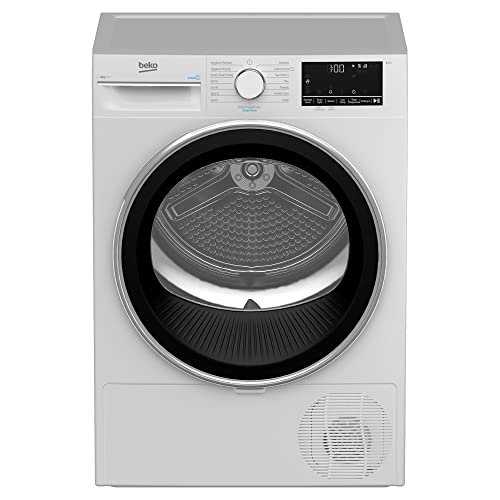
Other important features include a children's lock and a sensor drying, which makes sure that the appliance will cease to function once your clothes are ready to wear. The efficient tumble action uses much less air than conventional tumble dryers to ensure that your laundry gets finished quicker. The dryer also includes an efficient purse filter which makes it easy to maintain and clean.
The Indesit NIS41VUK is yet another cheap tumble dryer that prioritises affordability without sacrificing functionality or environmental credentials. It has a 4kg capacity and 13 versatile programs that work with all types of fabrics. It can be used with an outdoor vent, which is ideal for smaller homes and apartments. It might not have all the advanced features found in more expensive models such as a drying sensor or a final cool tumble, but it comes with everything you require.
Noise
In comparison to vented tumble dryers, heat pump models tend to be much quieter. This is due to a system for reduction of vibrations, as well as insulation, plus an inverter motor.
The dryers also operate at lower temperatures which means your laundry is less likely to be damaged and over-dried. It will take them a little bit longer to complete their cycle however, the energy savings and lower operating costs make up for it.
A noisy tumble dryer can be an indication that something is wrong. An appliance repair technician should investigate this. The most frequent sounds tumble dryers can make are creaking, banging, and scraping.
A squeaking noise from your tumble dryer will probably suggest that the pivot bearing for the drum has worn out and must be replaced. A rumbling sound emanating from the machine will most often result from a distorted support wheel, whereas constant scraping could point to a defective jockey wheel that is causing tension on the drive belt.
If your tumble dryer is brand new or hasn't been for a while, it might make a rumbling noise in the initial few minutes of operation. This is normal because the wheel of the machine self-lubricates. If it continues you should contact us.
Tumble dryers are complex devices designed to be reliable, but they still have problems. It is important to act immediately if you hear the sound of a loud squeaking from your tumble dryer to avoid further damage and costly repair costs. It could be due one of the causes mentioned above or an electrical problem that requires a skilled technician to look into. If you don't take it seriously this issue, it could become more severe and cost you more to repair. It could also cause damage to your clothes.